Choosing a new bathtub is one of the most important decisions you’ll make during a bathroom upgrade, and the material you select affects everything from how long the tub lasts to how much you spend on bathtub installation. Acrylic, cast iron, and fiberglass are the three most common bathtub materials on the market, and each one brings a different combination of strengths and tradeoffs. For homeowners in New Orleans and the surrounding Gulf Coast communities, the decision carries extra weight because our climate, housing stock, and foundation types all influence which material performs best over time.
This guide breaks down each material in detail so you can make a confident, informed choice before your project begins.

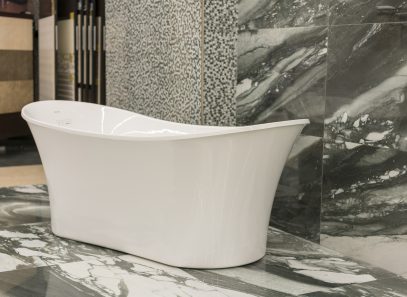
Acrylic bathtubs are made from sheets of acrylic plastic that are vacuum-formed into shape and reinforced with fiberglass on the underside. The result is a lightweight, durable tub that holds up well to daily use and resists fading and staining.
Acrylic is the best overall choice for most New Orleans homeowners. It works well in primary bathrooms, guest baths, and second-story installations where weight is a concern. If you’re planning a bathtub remodel and want a balance of quality, affordability, and style options, acrylic is the material to start with.
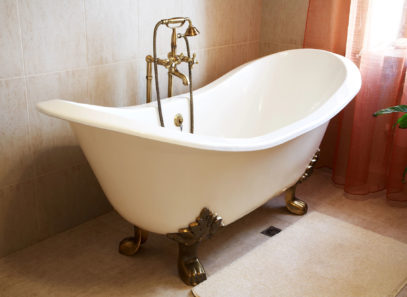
Cast iron bathtubs are made by pouring molten iron into a mold and coating the surface with porcelain enamel. They’ve been a staple in American homes for more than a century, and many of the original cast iron tubs in New Orleans’ older neighborhoods are still in service today.
Cast iron is the right choice for homeowners who want a tub that will outlast every other fixture in the bathroom. It pairs beautifully with clawfoot tub installations and is ideal for ground-floor bathrooms in homes with slab foundations that can support the weight. If you own a historic New Orleans property and want to maintain architectural authenticity, cast iron is the material that fits.

Fiberglass bathtubs are made from layers of woven glass fibers coated with a gelcoat finish. They are the most affordable option on the market and are commonly found in builder-grade homes, rental properties, and secondary bathrooms.
Fiberglass makes the most sense when budget is the primary concern. It’s a practical choice for rental properties, secondary guest bathrooms, or situations where you plan to upgrade to a better material in the future. If your fiberglass tub is showing its age, bathtub refinishing can extend its useful life by several years at a fraction of the replacement cost.
| Feature | Acrylic | Cast Iron | Fiberglass |
|---|---|---|---|
| Durability | Good | Excellent | Fair |
| Cost (tub only) | $200 – $1,500 | $500 – $3,000+ | $150 – $600 |
| Cost (installed) | $1,200 – $3,500 | $2,000 – $6,500+ | $800 – $2,000 |
| Weight | 60 – 100 lbs | 250 – 500 lbs | 40 – 70 lbs |
| Maintenance | Low | Low | Moderate |
| Heat Retention | Good | Excellent | Poor |
| Lifespan | 10 – 15 years | 30 – 50+ years | 5 – 15 years |
| Humidity Resistance | Excellent | Good (if enamel intact) | Fair |
| Repair Ease | Easy | Moderate | Difficult long-term |
Choosing a bathtub material in New Orleans is not the same as choosing one in a dry, temperate climate. Our region presents three factors that deserve serious consideration.
New Orleans averages 75% relative humidity year-round, and bathrooms in our homes see even higher moisture levels. Acrylic’s non-porous surface handles this exceptionally well, resisting mold and mildew without special treatment. Cast iron performs well as long as the porcelain enamel remains intact, but exposed iron from chips or scratches will rust quickly in our humid air. Fiberglass is the most vulnerable because its porous gelcoat can trap moisture and develop discoloration, mold spots, and surface breakdown over time.
Many homes in New Orleans date back 50 to 150 years, with original plumbing, narrow doorways, and bathroom layouts that don’t match modern tub dimensions. When planning a bathtub replacement in an older home, consider that cast iron tubs may need to be cut apart for removal because of their weight, and a new cast iron tub may not fit through existing doorways without modifications. Acrylic and fiberglass tubs are far easier to maneuver into tight spaces, which reduces labor costs and disruption.
If your older home already has a cast iron tub in good structural condition, professional refinishing can restore the finish and add years of life without the cost and difficulty of removal and replacement.
Many New Orleans homes sit on pier-and-beam or raised foundations. A 500-pound cast iron tub filled with water and occupied by a bather can weigh over 1,000 pounds total. Before installing a cast iron tub on a second floor or on a raised foundation, your contractor should verify that the floor joists can safely support that load. In many cases, reinforcement is required, adding $500 to $2,000 to the project cost.
Acrylic and fiberglass tubs, by contrast, impose minimal structural demands and can be installed on virtually any floor system without reinforcement.
Narrowing down the right bathtub material comes down to matching your priorities to each material’s strengths.
Choose acrylic if:
– You want the best balance of quality, durability, and price
– Your bathroom is on a second floor or in a home with a raised foundation
– You want a wide selection of styles and colors
– You value a warm, comfortable surface that holds heat well
Choose cast iron if:
– Longevity is your top priority and you want a tub that lasts decades
– Your home has a ground-floor bathroom on a slab foundation
– You’re restoring a historic property and want period-appropriate materials
– You enjoy long, hot soaks and want the best heat retention available
Choose fiberglass if:
– Budget is your main concern and you need to keep costs as low as possible
– You’re updating a rental property or a rarely used guest bathroom
– You plan to upgrade to a better material within 5 to 10 years
– You need the lightest, easiest tub to install quickly
If you’re considering accessibility features like a low-threshold entry, built-in seating, or grab bars, a walk-in bathtub may be the best fit regardless of your material preference. Walk-in models are available in acrylic and fiberglass and are designed specifically for safety and comfort.
For homeowners who love the character of freestanding vintage tubs, clawfoot tubs offer a distinctive look that pairs especially well with New Orleans’ historic architecture.
At TurnKey Bathtubs, we help homeowners across New Orleans and 13 surrounding communities choose and install the right bathtub for their home, their budget, and their lifestyle. Here’s what sets us apart:
Whether you need help choosing between acrylic and cast iron, want advice on what works best for an older shotgun house, or are ready to move forward with installation, our team brings the local knowledge and hands-on experience to get the job done right. Visit our gallery to see examples of our recent work, or learn more about our team and our commitment to quality.
If a minor issue is keeping you from enjoying your current tub, our bathtub repair services can often resolve the problem without a full replacement.
TurnKey Bathtubs proudly serves homeowners and businesses throughout the Greater New Orleans area, including Metairie, Kenner, Slidell, Covington, Mandeville, Baton Rouge, Hammond, Harahan, Gretna, LaPlace, River Ridge, Madisonville, and St. Rose. Wherever you are in the region, our team is nearby and ready to help. View our full service area coverage.
Acrylic is the top choice for humid climates. Its non-porous surface resists mold, mildew, and moisture absorption without requiring special sealants or treatments. Cast iron performs well as long as the porcelain enamel coating stays intact, but any chips that expose the underlying iron will rust quickly in New Orleans’ high-humidity environment.
A standard cast iron bathtub weighs between 250 and 500 pounds empty. Filled with water and a bather, the total load can exceed 1,000 pounds. Homes on slab foundations generally handle this without issue, but homes on raised or pier-and-beam foundations may need floor joist reinforcement before installation. A professional assessment will confirm whether your floor can safely support the weight.
Fiberglass tubs typically last 5 to 15 years depending on use and care. Acrylic tubs generally last 10 to 15 years. Cast iron tubs can last 30 to 50 years or more with proper maintenance. In all cases, professional installation and regular upkeep extend the useful life of the tub.
It’s possible, but it requires a structural assessment first. The combined weight of the tub, water, and occupant can exceed 1,000 pounds, and not all second-floor framing is built to handle that load. Your installer should check the floor joists and recommend reinforcement if needed. Acrylic is often the better choice for second-floor bathrooms because it delivers strong performance at a fraction of the weight.
Fiberglass makes sense when budget is the primary driver, such as in rental properties or secondary bathrooms. However, for a primary bathroom that sees daily use, acrylic offers significantly better durability, heat retention, and resistance to staining and cracking. The cost difference between fiberglass and acrylic is often only a few hundred dollars, making acrylic the better long-term value in most situations.
Ask about the structural capacity of your floor (especially for cast iron), the condition of your existing plumbing, whether your bathroom layout requires custom sizing, and which materials the contractor has the most experience installing. A reputable contractor will also explain how each material handles New Orleans’ humidity and recommend the option that fits your budget and priorities.
Ready to choose the right bathtub for your New Orleans home? Contact TurnKey Bathtubs today for a free, no-obligation consultation. We’ll evaluate your space, walk you through material options, and provide a transparent quote with no hidden fees.
Call us at (504) 666-3779 or schedule your free estimate online.
Have questions first? Visit our FAQ page for quick answers to the most common bathtub questions.
TurnKey Bathtubs is New Orleans’ #1 Bathtub Services Provider, proudly serving the Greater New Orleans area with licensed, professional bathtub installation, replacement, refinishing, remodeling, and repair services.

 Turnkey Bathtubs