Clawfoot tubs are one of the most iconic bathroom fixtures in American home design. Whether you’re restoring a vintage original or adding a new freestanding model to a modern bathroom, clawfoot tub installation involves unique considerations that set it apart from standard bathtub work. This guide covers everything you need to know—from choosing the right tub to understanding plumbing requirements and costs.

Before installation, you need to choose the right style for your space:
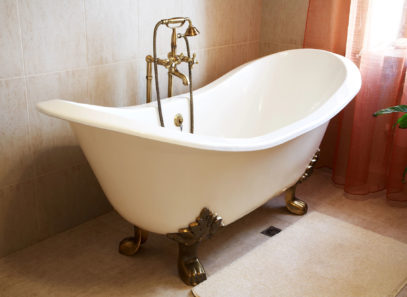
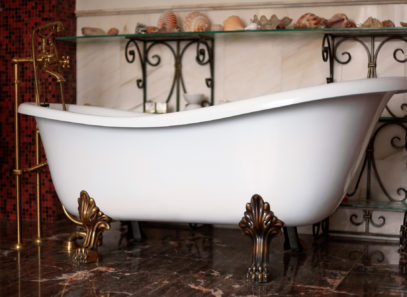
The most recognizable clawfoot design, featuring a rounded rim that rolls outward on all sides. This style works best in larger bathrooms where the tub serves as a centerpiece.
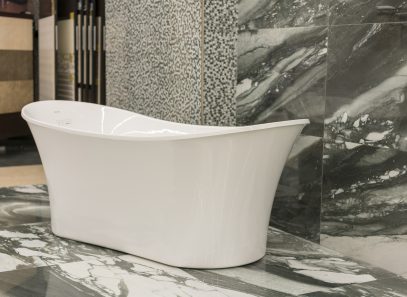
One end is raised higher than the other, creating a comfortable reclined bathing position. Slipper tubs are ideal for soaking and add dramatic visual appeal.
Both ends are raised, allowing two people to bathe facing each other. These are the largest clawfoot style and require the most floor space.
The drain is centered rather than at one end, and both sides have equal height. This versatile design lets you bathe from either end.
The material you choose affects weight, heat retention, cost, and installation complexity:

Clawfoot tubs have exposed plumbing, which creates both design opportunities and technical challenges:
Unlike built-in tubs where pipes are hidden behind walls, clawfoot tub supply lines are visible. You’ll choose between wall-mounted or floor-mounted faucet risers. Exposed supply lines come in polished chrome, brushed nickel, oil-rubbed bronze, and other finishes to match your hardware.
The drain connects through the floor or routes to a wall connection. A freestanding drain with an exposed waste pipe is the most traditional look. The overflow prevents flooding and typically matches the drain finish.
Many homeowners want a shower option with their clawfoot tub. This requires a riser pipe, shower curtain ring (usually oval or D-shaped, mounted to the ceiling or a freestanding frame), and a handheld or fixed showerhead. Proper waterproofing of the surrounding floor area is essential.
A filled cast-iron clawfoot tub with a bather can weigh over 1,000 pounds concentrated on four small feet. Before installation:
Typical costs for clawfoot tub installation in the New Orleans area:
These costs are for labor and plumbing only—the tub fixture is separate. Call (504) 666-3779 for a free estimate on your specific project.
As New Orleans’ #1 Bathtub Services Provider, we specialize in clawfoot tub work:
Yes, but you need to plan carefully. Compact clawfoot models (54–60 inches) can fit in smaller spaces. Ensure at least 6 inches of clearance around the tub for cleaning and access.
For cast-iron tubs, possibly. A filled cast-iron tub can exceed 1,000 lbs. A structural assessment determines whether your floor joists can handle the load. Acrylic clawfoot tubs are much lighter and usually don’t require reinforcement.
Absolutely. We install shower risers, curtain rings, and showerheads on clawfoot tubs. Proper waterproofing of the surrounding area is included.
The open space beneath and around the tub makes cleaning the floor easy—just sweep or mop underneath. The exposed exterior can be wiped down with a soft cloth and mild cleaner.
Chrome is the most popular and affordable. Brushed nickel offers a warmer, contemporary look. Oil-rubbed bronze suits traditional or rustic bathrooms. Choose a finish that matches your faucet and hardware.
A basic installation with existing plumbing takes one day. Projects requiring new plumbing or floor reinforcement typically take two to three days.
TurnKey Bathtubs proudly serves homeowners throughout the Greater New Orleans metro area, including Metairie, Kenner, Harahan, River Ridge, Slidell, Covington, Mandeville, Madisonville, Hammond, LaPlace, St. Rose, and Baton Rouge.
Ready to install a clawfoot tub? Contact us today or call (504) 666-3779 for a FREE estimate.

 Turnkey Bathtubs