
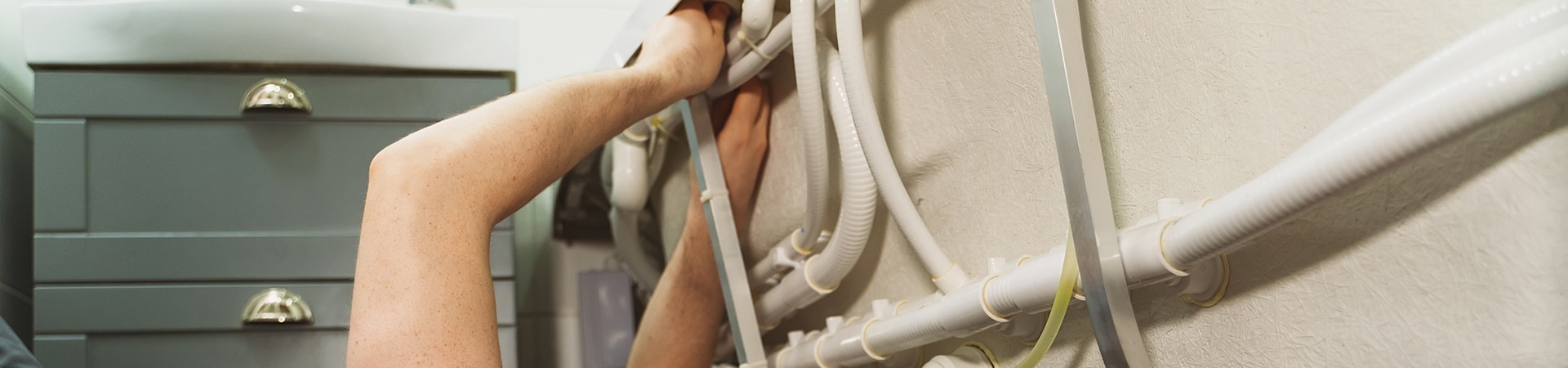
When something goes wrong with your bathtub, you’re faced with a choice every New Orleans homeowner knows well: grab your tools and handle it yourself, or call in a professional for a bathtub repair? The answer depends on what’s actually broken, how much risk you’re willing to take, and whether a mistake could turn a $50 fix into a $5,000 disaster.
Some bathtub problems are perfectly safe to tackle on your own. Others demand licensed expertise, specialized equipment, and the kind of experience that comes from repairing hundreds of tubs across the Greater New Orleans area. In this guide, we’ll walk you through exactly which repairs are DIY-friendly, which ones aren’t, and how to make the smartest call for your home and your budget.
Bathtub Repairs You CAN Do Yourself
Let’s start with the good news. A handful of common bathtub issues are straightforward enough for most homeowners to handle with basic tools and a trip to the hardware store.
1. Re-Caulking the Tub Surround
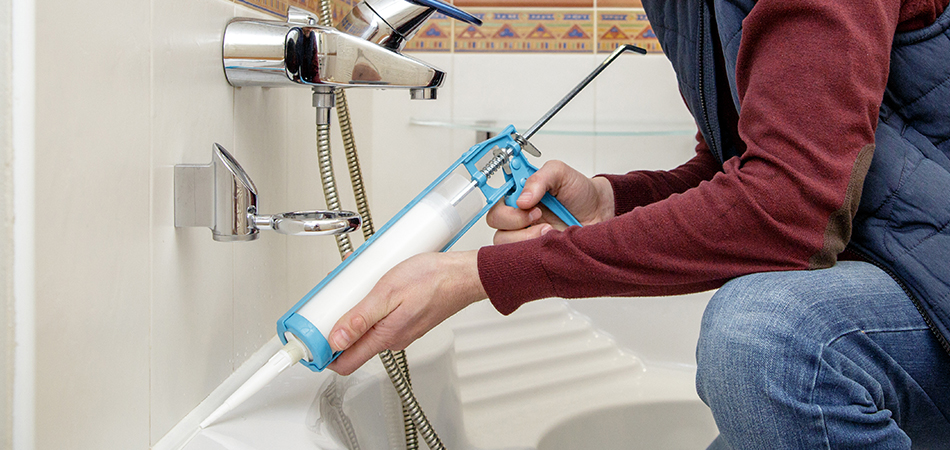
Old, cracked, or peeling caulk is one of the most common bathtub issues, and it’s one of the easiest to fix. You’ll need a caulk removal tool, a tube of 100% silicone caulk (not latex), and about 30 minutes.
DIY difficulty: Easy
Estimated cost: $8 – $20 for materials
Tips for success:
– Remove all old caulk completely before applying new caulk
– Clean the joint with rubbing alcohol and let it dry
– Apply in a single, continuous bead and smooth with a wet finger
– Let it cure for at least 24 hours before using the tub
2. Clearing a Slow or Clogged Drain
A bathtub that drains slowly is usually caused by hair buildup. Before calling anyone, try removing the drain cover and pulling out debris with needle-nose pliers or a plastic drain snake.
DIY difficulty: Easy
Estimated cost: $5 – $15 for a drain snake
When to stop: If a drain snake and a baking soda/vinegar flush don’t solve the problem, the clog may be deeper in the plumbing system. At that point, forcing the issue risks damaging your pipes.
3. Minor Chip and Scratch Touch-Ups
Small surface chips or scratches on acrylic or fiberglass tubs can be patched with a bathtub repair kit from your local hardware store. These kits include filler compound and color-matched paint.
DIY difficulty: Moderate
Estimated cost: $15 – $40 for a repair kit
Important note: Touch-up kits work for cosmetic blemishes only. If the chip is deep enough to expose the substrate, or if there are multiple chips, professional attention is the better route.
Bathtub Repairs You Should NEVER DIY
Now for the repairs where going it alone is not only inadvisable but potentially costly and dangerous. These jobs require professional tools, licensing, and the know-how to get them right the first time.
1. Cracked or Fractured Bathtub
A visible crack in your bathtub is a structural problem, not a cosmetic one. Cracks allow water to seep beneath the tub, damaging the subfloor, promoting mold growth, and weakening the structural support underneath. Patching a crack with epoxy from the hardware store is a temporary band-aid that will fail, often within weeks.
A professional can assess whether the tub needs structural repair or a full bathtub replacement. Either way, the job requires proper diagnosis before any work begins.
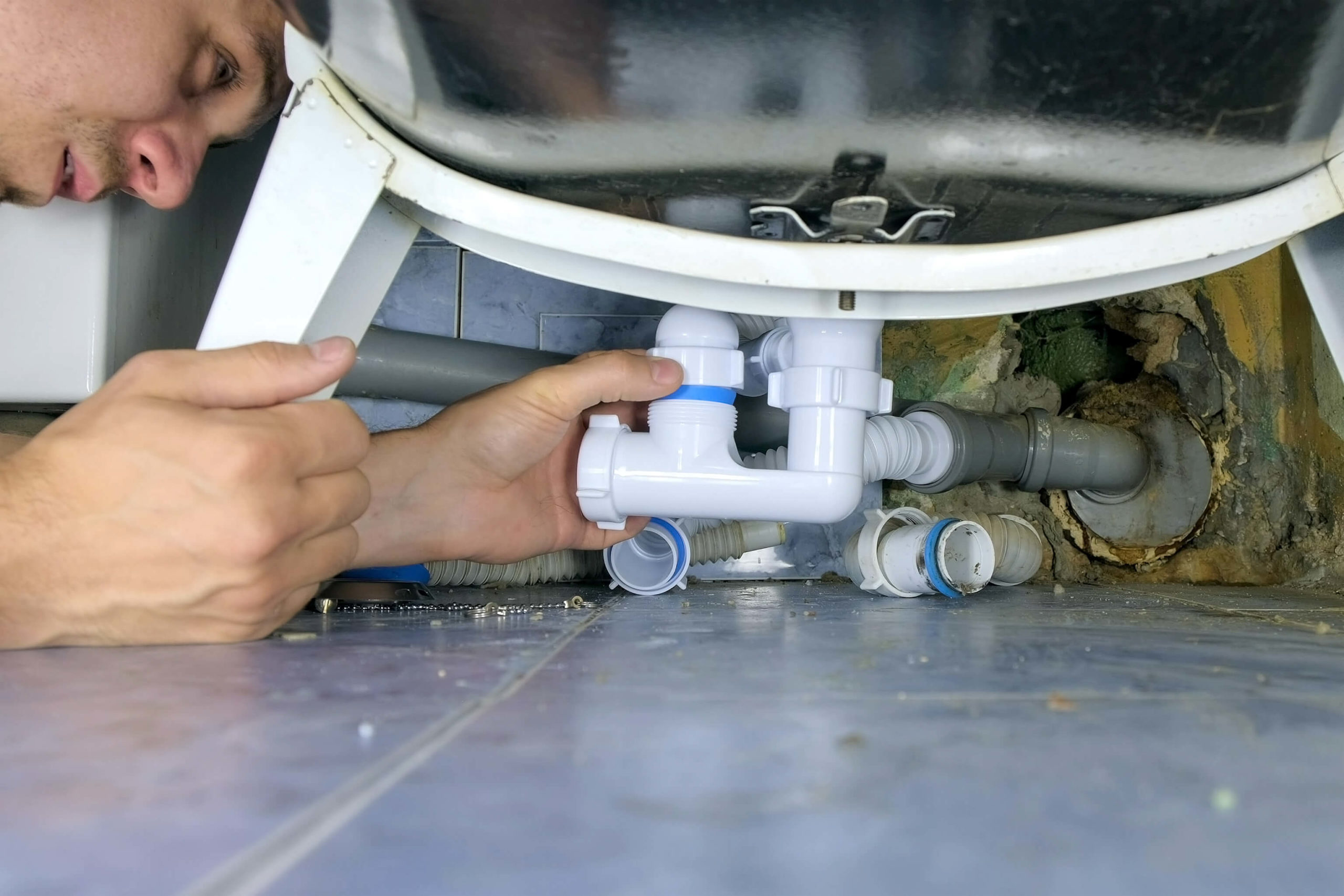
2. Plumbing Issues Behind the Wall
If you hear water running when the tub is off, notice water stains on the ceiling below your bathroom, or see moisture around the base of the tub, the problem is likely behind the wall or under the floor. Accessing and repairing supply lines, drain assemblies, or overflow connections requires plumbing expertise and, in most cases, permits from the City of New Orleans.
3. Bathtub Refinishing
Refinishing (also called reglazing) is one of the most common repairs homeowners try to DIY, and one of the most common to go wrong. Professional bathtub refinishing involves acid etching, bonding agents, and professional-grade coatings applied with spray equipment in a ventilated environment. The chemicals involved are hazardous, and improper application leads to peeling, bubbling, and a finish that looks worse than the original.
4. Structural Damage or Subfloor Rot
If your tub feels soft, bouncy, or uneven when you step in, the subfloor underneath may be compromised. This is especially common in New Orleans homes, where humidity accelerates wood rot. Repairing or replacing a subfloor under a bathtub is a job that involves removing the tub, assessing structural joists, replacing damaged wood, applying waterproof barriers, and reinstalling the tub. This is not a weekend project.
5. Walk-In Tub and Specialty Tub Repairs
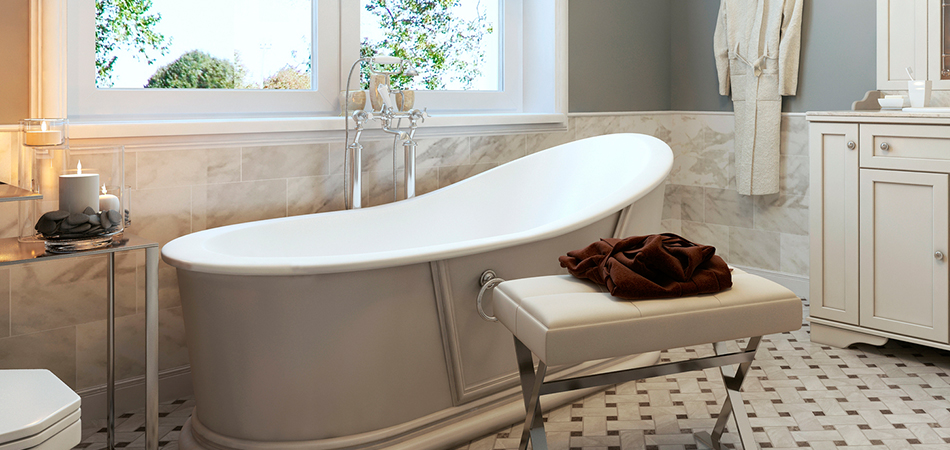
Walk-in bathtub repairs and clawfoot tub repairs involve specialized components, including watertight door seals, jet systems, and unique drain configurations. These require manufacturer-specific parts and trained technicians.
Cost Comparison: DIY vs. Professional Bathtub Repair
Understanding the financial picture helps you make a practical decision. Here’s how the costs stack up:
| Repair Type | DIY Materials Cost | Professional Service Cost |
|---|---|---|
| Re-caulking | $8 – $20 | $75 – $200 |
| Drain cleaning | $5 – $15 | $100 – $250 |
| Minor chip touch-up | $15 – $40 | $150 – $350 |
| Crack repair | $25 – $50 (temporary) | $250 – $600 |
| Refinishing / reglazing | $50 – $100 (kits) | $350 – $600 |
| Plumbing repair (behind wall) | Not recommended | $300 – $1,200 |
| Subfloor repair | Not recommended | $500 – $2,500 |
| Walk-in tub repair | Not recommended | $200 – $800+ |
At first glance, DIY looks cheaper across the board. But the real cost of a failed repair is where those numbers flip.
What Can Go Wrong with DIY Bathtub Repair
The upfront savings of a DIY repair can evaporate fast when things don’t go as planned. Here are the most common consequences we see when New Orleans homeowners bring us a repair job that started as a DIY project.
Voided Warranties
Many bathtub manufacturers require that repairs be performed by licensed professionals to maintain warranty coverage. If you attempt a repair yourself and something goes wrong later, you may be on the hook for the full cost of replacement.
Water Damage Behind Walls and Under Floors
A repair that doesn’t fully seal the problem allows water to migrate to places you can’t see. In a city like New Orleans, where relative humidity regularly exceeds 75%, even small amounts of trapped moisture create ideal conditions for mold and mildew. What starts as a $50 caulk job can become a $3,000 to $8,000 mold remediation and drywall repair project.
Mold Growth in New Orleans Humidity
This deserves its own mention because it’s the single biggest risk for local homeowners. New Orleans’ subtropical climate means that moisture doesn’t dry out the way it does in drier regions. A poorly sealed repair, a missed leak, or inadequate ventilation behind a tub surround creates a breeding ground for mold that can affect your family’s health and your home’s resale value.
Cosmetic Damage That Looks Worse Than the Original Problem
DIY refinishing kits and chip repair products often produce uneven textures, color mismatches, and finishes that peel within months. At that point, you’ve spent money on materials, invested hours of labor, and still need to call a professional to fix the original problem plus the new damage.
When to Call a Pro: The Decision Framework
Not sure whether your repair is a DIY candidate or a professional job? Ask yourself these five questions:
- Is the problem cosmetic or structural? Surface-level issues like minor chips and old caulk are typically safe to DIY. Anything involving cracks, leaks, or structural integrity needs a pro.
- Does the repair involve plumbing? If you need to access pipes, drains behind walls, or water supply lines, hire a licensed professional.
- Are hazardous materials involved? Refinishing chemicals, acid etching compounds, and certain adhesives require proper ventilation, protective equipment, and training.
- Could a failed repair cause water damage? If the answer is yes, the cost of getting it wrong far exceeds the cost of hiring a professional.
- Is your bathtub under warranty? Check your warranty terms. Many require professional service to maintain coverage.
If you answered “yes” to any of questions 2 through 5, the smart move is to call a licensed bathtub repair specialist.
New Orleans-Specific Considerations
Repairing a bathtub in New Orleans comes with challenges you won’t find in most other cities. Our local climate and housing stock create unique conditions that affect both the repair process and the long-term durability of the work.
Humidity Makes Waterproofing Critical
Average relative humidity in New Orleans hovers between 75% and 90% for much of the year. This means adhesives take longer to cure, moisture barriers are more important, and any gap in waterproofing is an open invitation for mold. Professional repair technicians understand local humidity conditions and adjust their materials and methods accordingly.
Older Homes Mean Older Plumbing
Many homes in neighborhoods like the French Quarter, Garden District, Mid-City, and Uptown were built before modern plumbing standards. Galvanized pipes, cast iron drains, and outdated fixtures are common. What looks like a simple bathtub repair can reveal plumbing issues that require professional assessment and code-compliant solutions.
Foundation Movement and Settling
New Orleans’ soil conditions (soft clay and high water tables) cause foundation movement over time. This can shift bathtub positioning, stress joints, and create cracks that aren’t caused by impact but by the home settling. Fixing the tub without addressing the underlying cause means the problem returns.
A Full Bathroom Update May Be More Cost-Effective
If your tub has multiple issues, it may be more practical to consider a bathtub remodel or a new bathtub installation rather than patching individual problems. A professional can help you weigh the cost of cumulative repairs against the investment in a fresh start.
Why New Orleans Homeowners Choose TurnKey Bathtubs
At TurnKey Bathtubs, we’ve built our reputation on honest assessments and quality work. When we inspect your bathtub, we’ll tell you straight: if it’s a repair you can handle yourself, we’ll say so. When it’s a job that needs professional attention, we’ll explain exactly why and provide a transparent quote.
Here’s what sets us apart:
- Free consultations and estimates with no pressure and no obligation
- Licensed professionals (Residential #890459, Commercial #3667)
- 5-star ratings backed by real reviews from local homeowners on our testimonials page
- Full-service capabilities from minor repairs to complete replacements
- Local expertise with deep knowledge of New Orleans’ unique plumbing and humidity challenges
- 100% satisfaction guarantee on every job we complete
See examples of our completed work in our project gallery or meet our team to learn more about the professionals who’ll be working in your home.
Serving All of Greater New Orleans
TurnKey Bathtubs provides professional bathtub repair services throughout the Greater New Orleans metropolitan area, including:
Metairie | Kenner | Gretna | Harahan | River Ridge | Covington | Mandeville | Madisonville | Slidell | Hammond | LaPlace | St. Rose | Baton Rouge
View our complete service areas for more details.
Frequently Asked Questions
Is it worth repairing a bathtub or should I replace it?
It depends on the extent of the damage. Minor issues like surface chips, worn caulk, and slow drains are worth repairing. If your tub has structural cracks, extensive rust, or multiple problems, a replacement is often more cost-effective in the long run. A professional inspection can help you determine the best path forward.
Can I refinish my bathtub myself?
While DIY refinishing kits exist, we strongly advise against them. Professional refinishing uses industrial-grade coatings and application methods that produce a durable, even finish lasting 10 to 15 years. DIY kits typically peel or discolor within months and involve hazardous chemicals that require proper safety equipment and ventilation.
How much does professional bathtub repair cost in New Orleans?
Most professional bathtub repairs in New Orleans range from $150 to $600, depending on the type and severity of the issue. Plumbing-related repairs or subfloor work can range from $300 to $2,500. TurnKey Bathtubs provides free estimates so you’ll know the exact cost before any work begins.
How long does a professional bathtub repair take?
Most repairs are completed in 2 to 6 hours during a single visit. Refinishing typically requires 24 to 48 hours of curing time before the tub can be used. More extensive repairs involving plumbing or structural work may take 1 to 3 days.
Does New Orleans humidity affect bathtub repairs?
Yes, significantly. High humidity slows curing times for adhesives and coatings, and any gap in waterproofing can lead to mold growth behind walls or under the tub. Professional repair technicians factor local humidity into their materials selection and application process to ensure lasting results.
Should I get multiple quotes for bathtub repair?
Getting two to three quotes is always a smart practice. However, be cautious of quotes that come in significantly below the market range, as that can indicate unlicensed work or substandard materials. Always verify that your contractor is licensed and insured. You can check our credentials and read homeowner reviews on our about page.
Get Your Free Bathtub Repair Estimate
Not sure whether your bathtub issue is a DIY fix or a professional job? Let us take a look. TurnKey Bathtubs offers free, no-obligation inspections and estimates for homeowners throughout the Greater New Orleans area.
We’ll assess the damage, explain your options, and give you an honest recommendation, even if that means telling you to handle it yourself.
Call us at (504) 666-3779 or contact us online to schedule your free consultation today.
TurnKey Bathtubs — New Orleans’ #1 Bathtub Services Provider. Licensed, insured, and proudly serving the Greater New Orleans area.
Filed under BathTubs