
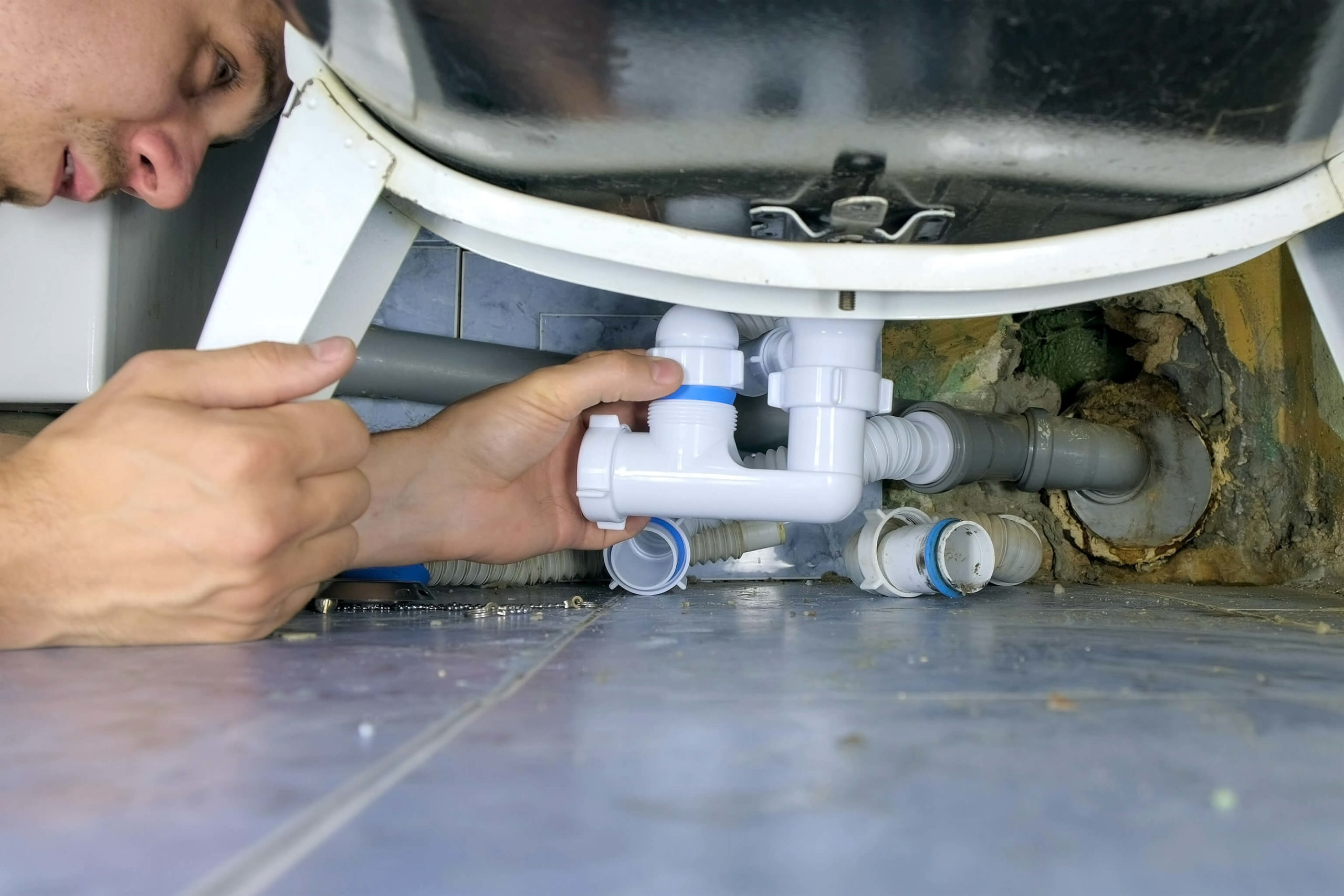
Replacing a bathtub is a mid-sized job that falls into three sizes: a simple swap, a swap plus wall or tile repair, and a swap plus plumbing or layout change. One contractor guide puts a straight swap at two to three working days and a tile rebuild at five to seven, and a heavy cast iron tub adds demolition and access work.
Replacing a bathtub is a mid-sized job. It is much smaller than a bathroom renovation, yet bigger than swapping a faucet, and where yours lands depends on what is behind the tub. This post sorts the work into three sizes so you can place your own bathroom, and then covers the two things that surprise people most: getting the old tub out and what you will be asked to do yourself.
TurnKey Bathtubs says on its bathtub services page that a standard bathtub installation typically takes 1 to 2 days, while a walk-in tub installation or a bathroom remodel involving plumbing changes might take longer. That is the company’s own general statement, and a written estimate for your bathroom is what sets the real schedule. For the stage-by-stage walk through, see our guide to the bathtub replacement process.
Three sizes of bathtub replacement
| Job size | What it involves | Published time marker |
|---|---|---|
| Small: simple swap | New tub drops into the same opening, same drain position | Two to three working days (Showcase Remodels) |
| Medium: swap plus wall or tile repair | Tile rows or surround removed and rebuilt around the new tub | Five to seven days for a tile rebuild (Showcase Remodels) |
| Large: swap plus plumbing or layout change | Drain moved, tub size or type changed, or damaged framing repaired | No single figure; longer than the first two |
The time markers come from one contractor guide, How Long Does It Take to Replace a Bathtub, which shows no publication date and appears to be from 2026. It credits the extra days on tile work to curing time for grout and mortar rather than to the pace of the crew. Treat the numbers as markers, since a local estimate and your own schedule can differ.
Small: the simple swap
This is the like-for-like job: the same size and type of tub, the same drain end, and walls that are in good shape. Disruption is mostly noise from demolition and a few days without your tub. If you are not sure your bathroom qualifies, the quickest check is to measure the alcove and note where the drain sits, and our bathtub replacement service page shows how TurnKey Bathtubs describes the work: an initial consultation, removal of the old tub, installation aligned with the existing plumbing lines, and final touches.
Medium: swap plus wall or tile repair
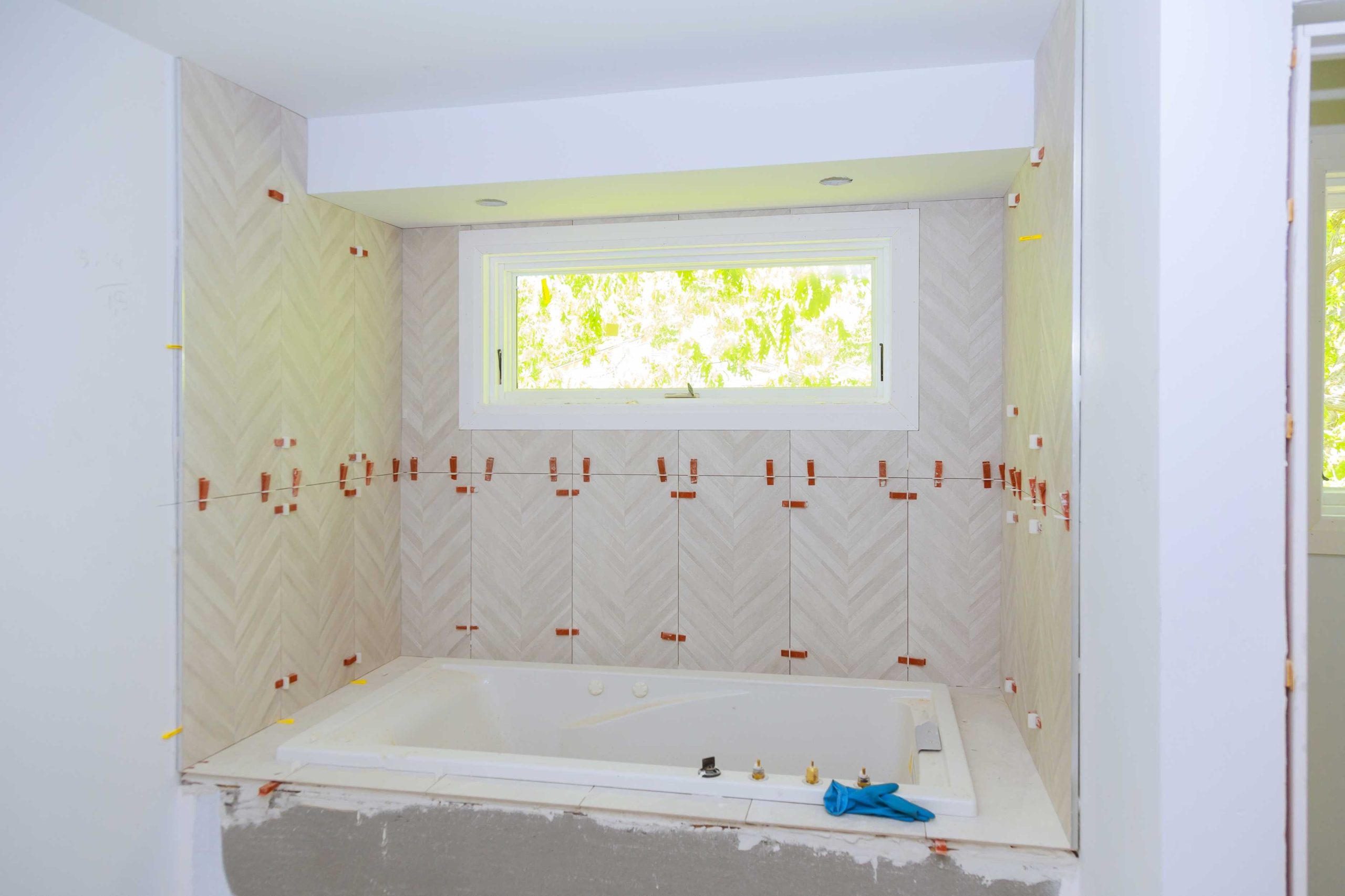
Many replacements land here, because the tub edge meets the wall finish. Once tile has to come off or be rebuilt, the schedule is set by cure times, and the job begins to look like a small remodel. The same Showcase guide says that finding soft framing or a drain that needs rebuilding adds a day before anything new is set. Ask whether the quote includes the wall finish and who sources matching tile.
Large: swap plus plumbing or layout change
Moving the drain, changing from an alcove tub to another type, or repairing damaged framing makes the job large. This Old House, in a cost guide marked updated 03/05/2026, lists permits for major plumbing work at $50 to $500. The same guide reports that in its 2026 survey of 1,000 homeowners about their most recent bathroom renovation, nearly 30% hit unexpected plumbing upgrades and 26% found water damage repairs. That survey covers whole bathrooms, not tub swaps, and it is shown here only for scale: the same guide puts the most common bathroom renovation timeline at three to four weeks.
The part that surprises people: getting the old tub out
Weight is the reason. Kohler’s spec sheet for its Villager K-715, a 60 inch by 30-1/4 inch enameled cast iron alcove bath, lists a weight of 316 lbs and a minimum floor load of 49 lbs per square foot. Kohler’s Archer K-1123-LA, an acrylic bath of similar length, lists 80 lbs. The cast iron model is nearly four times the weight of the acrylic one. The two sheets describe different models, so read the gap as an example and not a rule.
The Showcase guide says a cast iron tub often has to be broken up in place during demolition, and that freestanding or cast iron tubs can take weeks to arrive. Ask about lead time before you sign. If the old tub is cast iron, plan for noise, dust and pieces of tub moving through your home. Our guide to clawfoot tub installation covers heavy tubs in older homes, and our comparison of acrylic, cast iron and fiberglass shows what the weight difference means in daily use.
Access is part of the job
The new tub has to reach the bathroom as well. Narrow doors, hallway turns and stairs can change which tub is practical. Measure your path against the new tub’s length before you order, and tell the installer about anything tight.
What you will be asked to do
Even when the crew does all the work, a few jobs land on the homeowner. These are the usual ones:
- Choose the tub model, drain finish and trim before the day, not during it.
- Clear the path from the front door to the bathroom, and empty the bathroom of towels, rugs and decor.
- Know where your main water shutoff is, since the water supply is shut off before the old tub is disconnected.
- Plan for another bathroom, or a place to wash, while the tub is out.
- Ask who pulls any permit and who tests the new drain before the walls are closed.
Is it a big job for you?
A fair test is to ask three questions. Is the new tub the same size and type as the old one? Does the drain stay where it is? Are the floor and wall behind the tub dry and firm? Three yeses point to the small job, and a no on the first two points to the large job. A no on the third needs a closer look first. Our bathtub remodel timeline shows what a larger scope adds.
For the full list of tub work, see the bathtub services page. To place your own bathroom among the three sizes, call TurnKey Bathtubs at (504) 666-3779 or send details through the contact page.
Frequently Asked Questions
Is replacing a bathtub a big job?
It is a mid-sized job, much smaller than a full bathroom renovation. A simple swap is the small end, and moving the drain or repairing the walls pushes it up. Your estimate should say which size your bathroom is.
How long does it take to replace a bathtub?
One contractor guide (Showcase Remodels, undated, appears to be 2026) says most replacements take two to three working days when the new tub drops into the same opening. TurnKey Bathtubs says on its site that a standard bathtub installation typically takes 1 to 2 days, and longer with plumbing changes. A written estimate sets the real schedule.
Why does a tile surround add days to the job?
The same Showcase guide says a full tub-and-surround rebuild with tile runs five to seven days. It credits the extra time to grout and mortar curing rather than to labor pace.
How is a cast iron bathtub removed?
The Showcase guide says a cast iron tub often has to be broken up in place during demolition. Kohler lists its Villager K-715 cast iron alcove bath at 316 lbs, so it does not move in one piece. Ask how the installer handles noise, dust and disposal.
What do I have to do before a bathtub is replaced?
Pick the tub, drain finish and trim ahead of time, clear the route from the front door to the bathroom, and know where your main water shutoff is. Plan for another place to wash while the tub is out.
Can unexpected problems make the job bigger?
Yes. In This Old House’s 2026 survey of 1,000 homeowners about bathroom renovations, nearly 30% reported unexpected plumbing upgrades and 26% found water damage repairs. Ask how extra repairs are priced before work starts.
Filed under BathTubs

